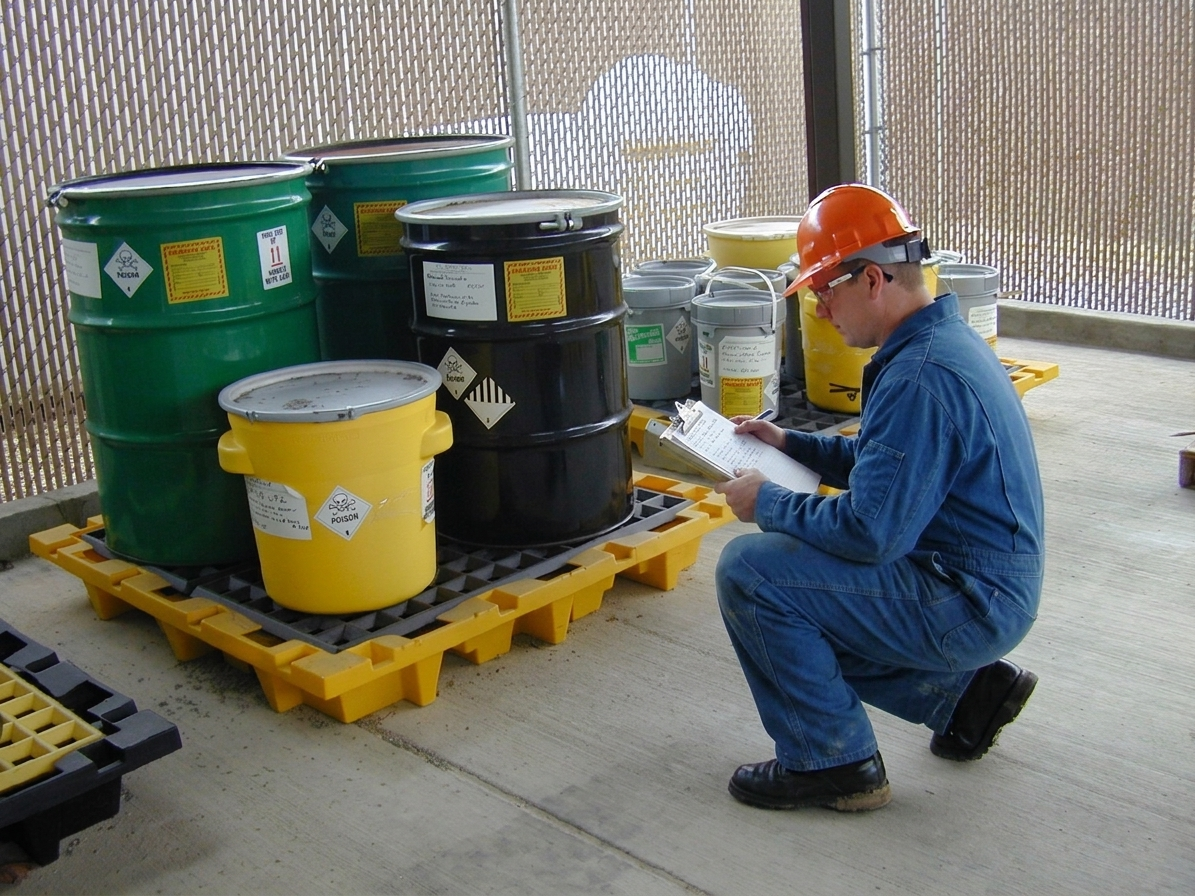

The Operational Tax of Manual Waste Tracking
PUBLISHED
Every regulated facility pays for manual waste tracking, but most never see the invoice.
These costs do not appear in licensing fees or disposal charges, but in lost scientific output, increased staffing, audit overtime, and avoidable compliance risks.
These costs arise when lab staff spend time away from the bench locating waste cards, compliance officers reconstruct chain-of-custody records before audits, EHS teams reconcile spreadsheets to resolve missing entries, or sustainability leads cannot answer Scope 3 questions due to fragmented data.
This is the operational tax of manual waste tracking. Unlike regulatory fees, it increases quietly and compounds over time.
What Manual Actually Means in 2026
Manual processes involve any method in which waste data is recorded, transferred, or validated by human effort rather than automated systems. This includes:
- Handwritten logs and lab notebooks
- Disconnected spreadsheets that require manual consolidation
- Email chains as an informal chain-of-custody
- PDF manifests filled in by hand and scanned for filing
- Verbal handoffs between lab staff and facilities teams
Many organisations believe they have digitised by using Excel. In reality, this only shifts manual effort to an earlier stage.
Quantifying the Drag
The hidden costs of manual waste tracking fall into four categories, collectively creating a significant and often overlooked burden on operational capacity.
1. Time Theft from Skilled Workers
For a team of eight scientists, this is equivalent to one full-time researcher focused entirely on paperwork.
In pharma and biotech, where median research scientist salaries exceed £60,000–£80,000 in the UK and $90,000–$120,000 in the US, this becomes a financial issue, not just an efficiency concern.
2. Audit Preparation Overhead
EHS and compliance leads often need weeks, not days, to prepare for regulatory audits. Most of this time is spent reconstructing records that should already be available in a clean, accessible format.
Manual systems create audit debt, which is the accumulated cost of documentation gaps, inconsistent labelling, missing signatures, and unreconciled quantities. Each audit cycle, this debt leads to additional overtime and increased stress.
The UK Environment Agency's Digital Waste Tracking mandate, effective October 2026, will increase compliance requirements. Facilities that cannot produce accurate, real-time digital records will face new compliance risks.
3. Error Rates and Their Downstream Cost
Manual data entry has an inherent error rate. Industry benchmarks for human data entry accuracy typically range from 96% to 99%, which may seem acceptable until the practical implications are considered.
For a facility generating 500 waste entries per month, a 2% error rate results in 10 errors. Each error can trigger a non-conformance event, corrective action report, regulatory notification, or disposal delay.
The cost of a single serious compliance incident, including legal fees, regulatory response, remediation, and reputational damage, often exceeds the annual cost of preventive software solutions.
4. Sustainability Reporting Blindness
Sustainability leaders in regulated manufacturing increasingly face mandatory ESG disclosures, investor scrutiny, and supply chain due diligence. Hazardous waste data is central to Scope 3 emissions, environmental liability, and social governance.
Manual systems render this data structurally inaccessible. Although the data exists, it cannot be aggregated, analysed, or reported without significant manual effort. As a result, sustainability reports are slow to produce, difficult to verify, and susceptible to challenge.
When a board requests year-on-year hazardous waste reduction data, the response should be immediate, not delayed for weeks.
The Compounding Effect
The operational tax is especially damaging because it increases with organisational complexity.
As headcount grows, waste streams multiply, and regulations evolve, documentation requirements expand. When facilities add sites, reconciling records across locations becomes increasingly difficult. Manual processes cannot accommodate this complexity and often fail as a result.
This is compounded when facilities deprioritise waste management. Poor data entry, inaccurate record keeping, and reliance on manual workarounds or local tacit knowledge create a complex web of regulatory challenges.
Mid-growth pharma and biotech companies are most affected. They have outgrown informal systems but have not yet invested in enterprise infrastructure. These organisations bear the operational tax at a critical stage when efficiency is essential.
Modern waste tracking platforms replace manual processes with structured, automated workflows. This transition moves organisations from reactive record-keeping to proactive compliance infrastructure.
The operational difference is significant:
For EHS and LabOps leaders, the value proposition is clear: eliminate administrative burdens for highly skilled staff and redirect their capacity to work that advances organisational goals.
The Question Worth Asking
Manual waste logs may seem like a familiar and manageable cost, but familiarity does not mean acceptability.
The key question is not whether your team can keep up with manual processes, but how they could use their time if these tasks were removed.